
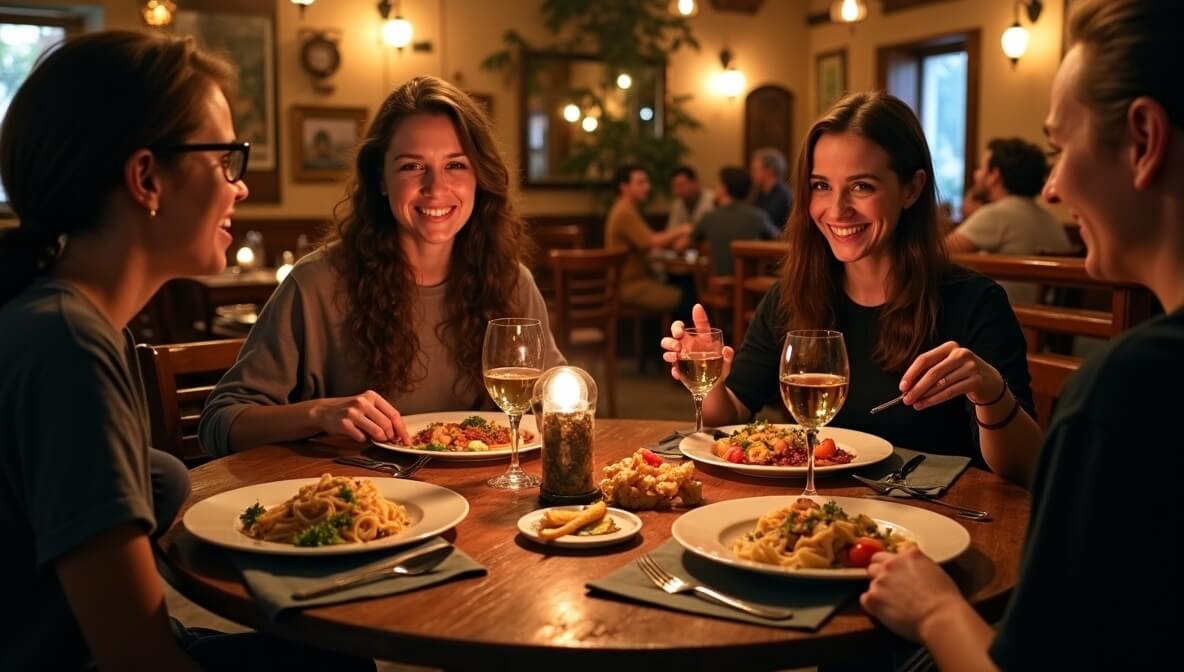
One of the most exciting parts of traveling is experiencing the local cuisine. The food you eat can tell you more about a place’s culture, history, and traditions than any sightseeing tour ever could. But with so many dining options, how do you find the best food without falling into tourist traps? Whether you’re craving street food, hidden restaurants, or local delicacies, this guide will show you how to discover the best food while traveling.
1. Explore Street Food and Local Markets
One of the best ways to experience authentic cuisine is by diving into a city’s street food scene. Street vendors and local markets are often the heart of a city’s food culture. These places serve dishes passed down through generations, made with fresh, locally sourced ingredients, and sold at affordable prices.
Look for markets and food stalls away from the typical tourist zones, these are usually where you’ll find the most genuine flavors. From bustling night markets in Asia to food trucks in Latin America, these spots offer some of the best tastes of a region.
Tip: Trust your senses, if a place smells amazing, it’s probably worth trying!
2. Ask Locals for Recommendations
There’s no better way to find the best food than by asking the locals. Whether it’s a hotel receptionist, a shopkeeper, or someone sitting next to you at a café, locals know where to find the most delicious meals. They can guide you to hidden gems that aren’t on any tourist map—family-owned restaurants, off-the-beaten-path street food vendors, and quiet eateries where they love to eat.
When asking for recommendations, be specific. Instead of asking where tourists should go, ask about where locals eat. They’ll point you to the authentic spots that are often overlooked by travelers.
Tip: Avoid asking guides at popular tourist attractions—they’re more likely to recommend places that cater to visitors rather than locals.
3. Use Apps and Online Resources
While asking locals is key, there are plenty of apps and websites designed to help you find great food as well. Platforms like Yelp, TripAdvisor, and Google Reviews provide user-generated reviews and ratings for restaurants worldwide. If you’re looking for something more food-focused, apps like Zomato or TheFork feature comprehensive menus, reviews, and even photos of dishes.
Social media platforms, especially Instagram and YouTube, are fantastic resources for finding food recommendations. Food bloggers and influencers often share insider tips and highlight hidden gems that aren’t covered by mainstream sites.
Tip: Look for places with high ratings and lots of reviews from locals, rather than those overly catered to tourists.
4. Dine Where You See Locals Eating
When you spot a restaurant filled with locals, you’re likely in for a great meal. Locals know the best spots, and these hidden gems often serve the freshest and most authentic dishes. Small, family-owned eateries or bustling street food stalls are great places to find food that reflects the true flavors of the region.
Additionally, if you’re unsure about where to go, keep an eye on smaller, family-owned spots with handwritten menus. These often offer the most authentic, fresh dishes, as they aren’t trying to appeal to every tourist who walks through the door.
Tip: If the restaurant has more locals than tourists, that’s often a great sign of authenticity. Trust the crowd.
5. Avoid Tourist-Centered Restaurants
Though it’s tempting to eat at the restaurant closest to major tourist attractions, these places are often overpriced and cater to the international palate rather than offering something truly local. Tourist-centered spots may have flashy menus, large photos of dishes, or multi-language offerings that are usually signs of a place more interested in serving visitors than providing authentic experiences.
To avoid this, venture a bit further from the crowds. Wander through less touristy neighborhoods or side streets where you’ll find small, independent restaurants or local markets that aren’t vying for attention from passing tourists.
Tip: If the menu is in multiple languages, or the restaurant has a heavy tourist presence, it might not be the most authentic choice.
6. Try Regional Specialties
Every region has its signature dishes that reflect its culture, history, and available ingredients. One of the joys of traveling is sampling these regional specialties, whether it’s a particular type of pasta in Italy, a traditional curry in India, or a unique taco in Mexico. These dishes are often more than just food; they represent the history and traditions of the area.
Research or ask locals about the must-try dishes in the region you’re visiting. Many places will have seasonal or locally sourced specialties, so don’t be afraid to try something new and out of your comfort zone.
Tip: Ask for recommendations on what the local specialty is, and make sure to try it during your trip—it’s often the highlight of the culinary experience.
7. Look for Food with a Story
The best food is often the one with a story behind it. Seek out restaurants or food vendors that are passionate about what they do. Whether it’s a small family-run restaurant that’s been passed down through generations or a food stall run by a chef committed to sustainable and local ingredients, these places often serve food that’s deeply rooted in the area’s culture.
These types of food experiences don’t just fill your stomach, they connect you to the place on a deeper level. Ask about the history of the dishes or the restaurant itself to enrich your culinary journey.
Tip: When you find a restaurant or vendor with a compelling story, you’re not just tasting food, you’re tasting history.
Conclusion
Food is one of the best ways to experience the heart and soul of a place. By following these tips, exploring street food, asking locals for recommendations, using food apps, avoiding tourist traps, and seeking out regional specialties, you can uncover some of the best culinary experiences while traveling. Whether you’re eating at a local market, trying a hidden gem, or sampling a regional dish, each bite will make your journey even more memorable.
So next time you’re exploring a new destination, leave the guidebooks behind and let your taste buds lead the way. Bon appétit!