
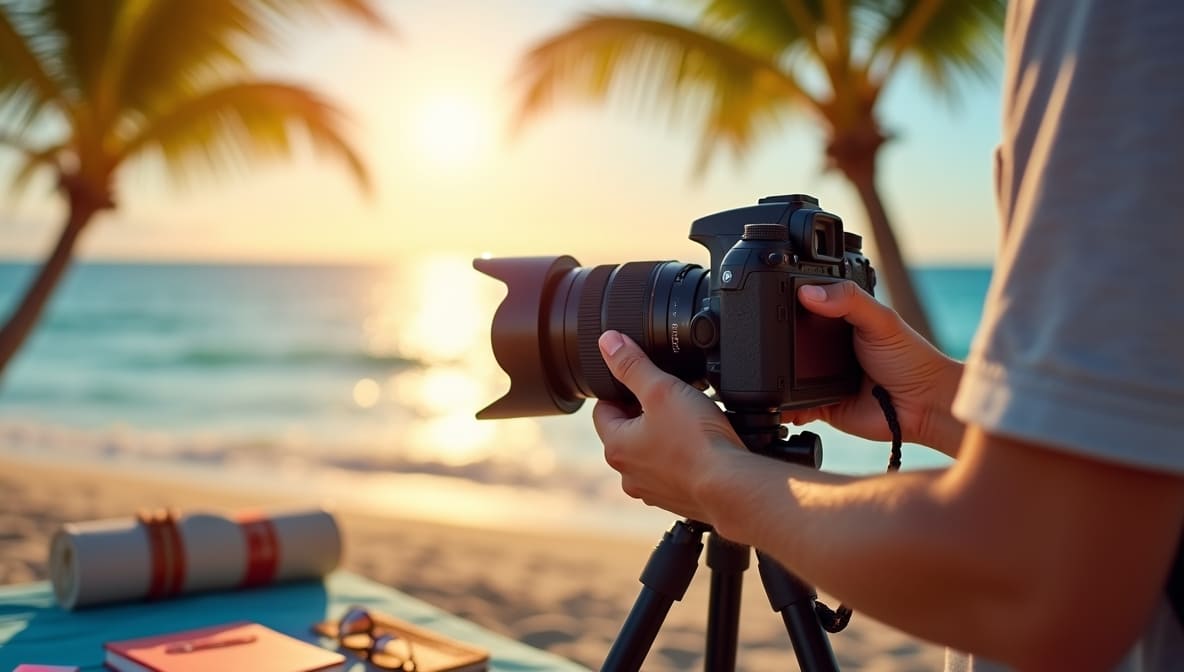
Travel photography isn’t just about snapping pictures, it’s about capturing the essence of a place, the emotions of a moment, and the beauty of the world around you. Whether roaming a historic town’s cobblestone streets, hiking through lush mountains, or exploring a bustling market, great travel photos allow you to relive those experiences and share your journey with others.
This guide will share actionable tips to elevate your photography skills. By focusing on composition, lighting, and creative angles, you can create stunning, unique images that stand out—whether you’re using a professional camera or just your smartphone.
1. Master the Art of Composition
Composition is the backbone of any photo. A well-composed image draws the viewer’s attention, tells a story, and keeps the frame balanced. Here are key techniques to improve your composition:
Use the Rule of Thirds
The rule of thirds is one of the simplest yet most effective composition techniques. Imagine dividing your frame into nine equal parts using two horizontal and two vertical lines. Place your subject or points of interest, like a mountain peak, a sunset, or a landmark—along these lines or their intersections. This creates balance and adds interest to your shot. For example, instead of centering the horizon, place it along the upper or lower third to create a more dynamic image.
Find Symmetry
Symmetry can create a visually striking photo. Look for symmetrical patterns in architecture, nature, or reflections. For instance, a perfectly mirrored temple in a still lake or a symmetrical hallway in a museum creates a sense of balance and order.
Incorporate Leading Lines
Leading lines are natural or man-made lines in your environment that guide the viewer’s eye through the frame. Roads, fences, rivers, or even rows of trees can make your images feel more dynamic and help emphasize your subject. For example, a winding path leading toward a distant mountain naturally draws the viewer’s gaze to the peak.
Use Foreground, Middle Ground, and Background
Adding layers to your photo creates depth and makes your shots feel more immersive. For example, if you’re photographing a sunset on a beach, include foreground elements like footprints in the sand or driftwood, the ocean in the middle ground, and the setting sun in the background. This technique creates a sense of scale and adds context to the scene.
Embrace Negative Space
Don’t be afraid to leave empty areas in your frame. Negative space emphasizes your subject and creates a minimalist, dramatic effect. For instance, a lone tree against a vast, cloudless sky can evoke a sense of solitude and wonder.
2. Master the Power of Light
Lighting is the single most important factor in photography. It can completely change the mood and feel of your image. When traveling, you’ll often have to work with natural light, so understanding how to use it is key.
Golden Hour: The Photographer’s Best Friend
The golden hour—the hour after sunrise and the hour before sunset—offers soft, warm light that flatters any subject. It’s perfect for portraits, landscapes, and cityscapes. During this time, shadows are long, colors are rich, and the light feels magical. For example, photographing a desert landscape during golden hour brings out the vibrant reds and oranges of the sand and rock.
The Blue Hour
Blue hour occurs just before sunrise and after sunset, when the sky turns a deep blue. This soft, diffused light is ideal for moody, atmospheric photos, especially of urban landscapes or lit-up landmarks. For example, capturing the Eiffel Tower against a twilight sky creates a romantic, dreamy effect.
Overcast Days: Soft Light for Details
Don’t let cloudy days discourage you. Overcast conditions provide soft, even lighting, which is great for capturing details without harsh shadows. Use this to your advantage for photographing markets, food, or intricate architecture.
Tame Harsh Midday Light
Midday light can be harsh, creating strong shadows and blown-out highlights. If you must shoot during this time, look for shaded areas or backlight your subject. For example, while exploring a market, position yourself so the light comes from behind the subject, creating a soft glow around them.
Experiment with Night Photography
Night photography can create dramatic results, especially in cities with illuminated landmarks. Use a tripod for long-exposure shots to capture light trails, starry skies, or reflections. For example, a photo of traffic light trails under a lit bridge can turn a busy scene into something artistic and serene.
3. Explore Unique Angles
One of the best ways to make your travel photos stand out is by stepping away from eye-level shots. Experimenting with angles and perspectives can add creativity to your photos and make ordinary scenes extraordinary.
Shoot from a Low Angle
Getting down low can make subjects appear larger-than-life and more dramatic. For instance, shooting a towering cathedral or statue from the ground emphasizes its grandeur. This works particularly well with architecture and landscapes.
Climb High for a Bird’s-Eye View
Conversely, shooting from above offers sweeping, panoramic views of cities, landscapes, or crowded marketplaces. Look for rooftops, observation decks, or even a drone to capture scenes from a higher perspective.
Play with Reflections
Reflections in water, glass, or polished surfaces can add symmetry and intrigue to your shots. For example, after a rainstorm, puddles on the ground can reflect city lights or architecture, creating a whole new perspective.
Frame Your Subject
Use natural or architectural frames to draw attention to your subject. This could be an archway, a window, tree branches, or even a bridge. For example, framing a mountain range through the opening of a cave adds depth and guides the viewer’s eye to the focal point.
4. Capture the Story of a Place
Travel photos aren’t just about breathtaking landscapes or iconic landmarks, they’re about the spirit of the destination and the people who call it home. Including elements that reflect the culture, daily life, and personality of a place can make your photos far more engaging and meaningful.
Add People for Context and Emotion
Including people in your travel photos adds a human connection that viewers can relate to. For example, capturing a street vendor arranging their colorful produce in an outdoor market tells a story about the local way of life. When hiking, positioning a person in the frame, like a silhouette against a mountain sunset—can also provide scale and create an emotional connection.
When photographing people, always be respectful. Ask permission when appropriate, especially in close-up portraits or culturally sensitive areas. Many locals are happy to be part of your story if you approach them with kindness and curiosity.
Highlight Cultural Touchpoints
Every destination has its unique traits, from the intricate tilework of Moroccan riads to the vibrant saris drying in the sun along India’s rivers. Focus on details that give a sense of place: textiles, street art, local food, or handmade crafts. These shots don’t just look great—they also evoke the feeling of being there.
Don’t Forget the Mundane
It’s not always the grand landmarks or epic views that resonate most. Sometimes, the everyday moments—a bicycle leaning against a weathered wall, laundry fluttering in the breeze, or a child playing in a dusty alley, tell the most authentic stories. Pay attention to these quieter details, as they often reflect the heartbeat of a place.
5. Plan, But Stay Spontaneous
Travel photography often strikes a balance between careful planning and embracing the unexpected. Both are equally important for capturing extraordinary moments.
Do Your Homework
Before you arrive at your destination, research the most photogenic spots and plan your visits during the best lighting conditions. Use tools like Instagram or Google to scout popular locations and find hidden gems. Look for sunrise and sunset times, and note any special events that might add vibrancy to your shots, like festivals or markets.
Prepare Your Gear
Make sure your camera gear is ready before you set out. Pack extra batteries, memory cards, and lenses to avoid missing out on great photo opportunities. If you’re traveling light, consider versatile gear like a zoom lens or even your smartphone for on-the-go shooting.
Embrace the Unexpected
While planning is essential, travel is full of surprises. Some of the most stunning travel photos come from spontaneous moments: a musician playing a heartfelt tune on a cobblestone street, a flock of birds taking flight, or a sudden burst of golden light during an overcast day. Keep your camera handy and your eyes open—be ready to capture these fleeting moments.
Remember, flexibility is key. If the weather doesn’t cooperate or a planned spot feels overcrowded, don’t be afraid to wander off the beaten path. Often, the best discoveries happen when you stray from your itinerary and let your instincts guide you.
Ready to Capture Your Adventures
Every trip is a story waiting to be told, and your camera is your storyteller. Whether it’s golden sunrises, quiet alleyways, or fleeting moments of joy, your travels are filled with opportunities to create something extraordinary.
It’s not about perfection, it’s about perspective. With these tips in hand, you’re ready to elevate your travel photography, one shot at a time. So embrace the adventure, experiment boldly, and let your photos reflect the way you see the world.
The journey is yours, now go capture it.